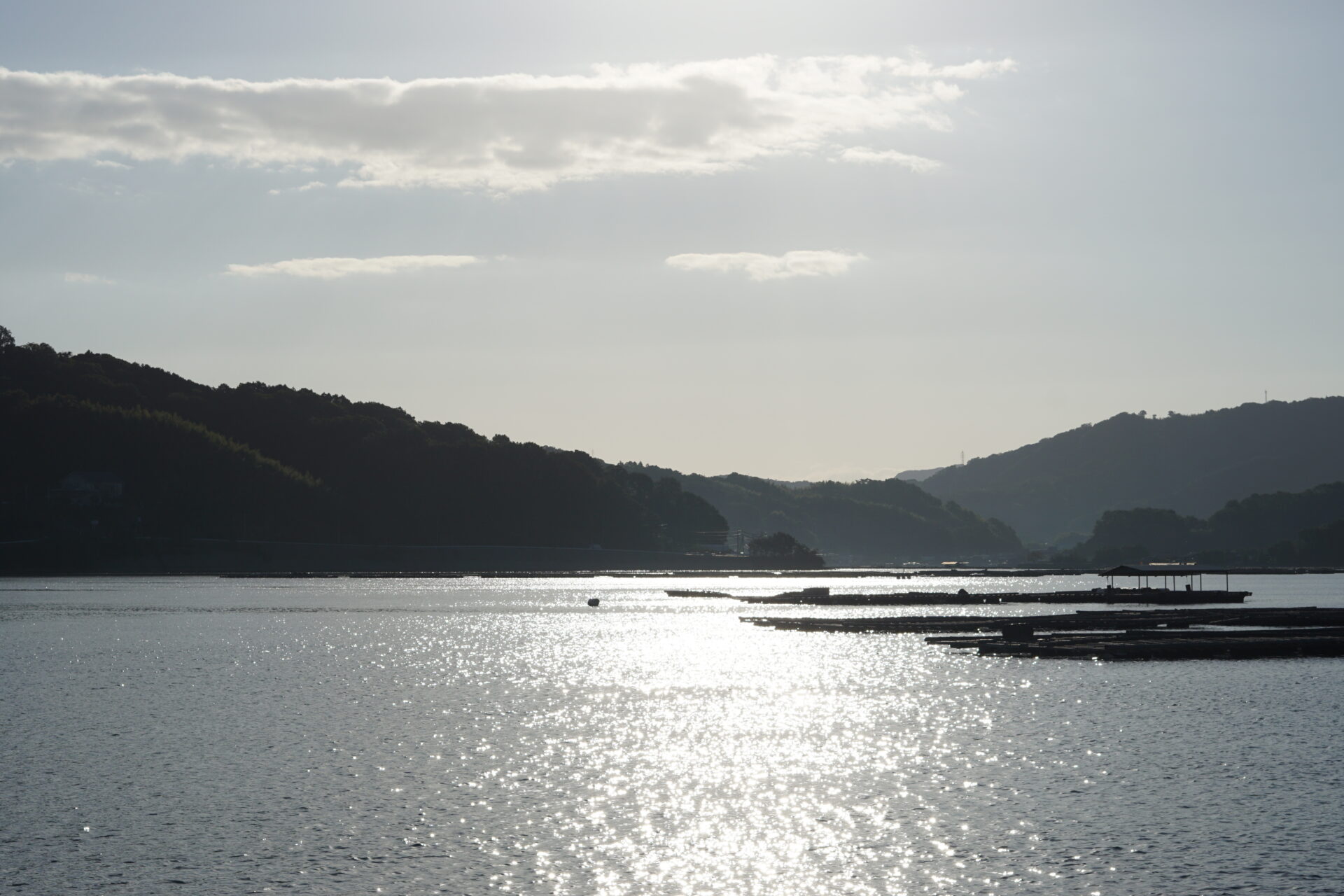
がんと闘病するとき人は何を思うだろう。その一人である樹木希林さんはがんはいい病気だと言ったらしい。その病気をしらせてから色々と考え行動する時間をくれる病気だと。私もがんで亡くなる患者を看させてもらった。皆がそう思えるかといえば、どう贔屓目に見てもその答えはNOだろう。日本の医療において患者よりも家族の力は大きい。重病になればまず家族へ説明して本人への告知をするか事前に相談する医療機関も多い。そのためがんをどう捉えるかは他者目線の「不幸」として語られることが多い。しかしそう決める必要はない。生とは死と共にこそ存在する。がんは死を教えてくれる、だからこそ樹木さんはそう思えたのではないか。世界でも最も平和な国の一つになれた日本で、大切な勉強は死を学ぶことな気がする。それの一端を担っていた宗教の存在感が薄まっている今、死を、つまり生をどう学ぶかは現代日本の課題の一つだと思う。
遊び稽古
1体操
2杖になれる
本稽古
1合気体操
2足捌き
3受け身
4天地投げストレッチ(杖の手引き)
5両手取り天地投げ
6相半身片手取り四方投げ(気の道)
7相半身片手取り四方投げ表
8両手取り天地投げ裏
腰痛に苦しんでいる。動けないほどの腰痛ではないが、長時間の自動車移動のためにどうしても腰痛が出る。いろいろな工夫をして長時間移動を楽しむ方法や、気を楽にする方法を考えてきたが、長時間の同じ姿勢に体が悲鳴をあげる。まあいつまでも動けるかはわからない、動ける日まで動くだけだ。
What goes through a person’s mind when they are fighting cancer?
Kirin Kiki, who went through the experience herself, reportedly once said that cancer was a good disease. She meant that it was an illness that gave people time to think things through and make decisions after learning about their condition.
I have also cared for patients who eventually died of cancer. If you ask whether everyone can feel that way, the answer, even with the most generous interpretation, would surely be no.
In Japanese healthcare, families often have considerable influence, sometimes even more than the patients themselves. When someone develops a serious illness, many medical institutions first explain the situation to the family and consult them about whether the patient should be informed of the diagnosis.
As a result, cancer is often discussed from the perspective of others, as something that represents a person’s misfortune. But I don’t think we have to define it that way.
Life exists precisely alongside death. Cancer can teach us about death. Perhaps that is why Kiki was able to see it in that way.
Japan has become one of the most peaceful countries in the world. Yet I feel that one of the most important things we need to learn is how to face death.
Religion once played a role in helping people learn about this, but its presence in society has weakened. How we learn about death — and, in other words, how we learn about life — is one of the challenges facing modern Japan.
Playful practice
- Warm-up exercises
- Getting familiar with the jo
Regular practice
- Aiki exercises
- Footwork
- Ukemi
- Tenchi-nage stretching (using the jo to guide the movement)
- Ryote-dori tenchi-nage
- Ai-hanmi katate-dori shiho-nage (ki no michi)
- Ai-hanmi katate-dori shiho-nage omote
- Ryote-dori tenchi-nage ura
I have been struggling with lower back pain. It is not severe enough to prevent me from moving, but long hours of driving inevitably bring it on.
I have tried various ways to make long journeys more enjoyable and to keep myself relaxed, but my body eventually cries out when I remain in the same position for too long.
Well, I don’t know how long I will be able to keep moving like this. For as long as I can, I will simply keep moving.
コメント