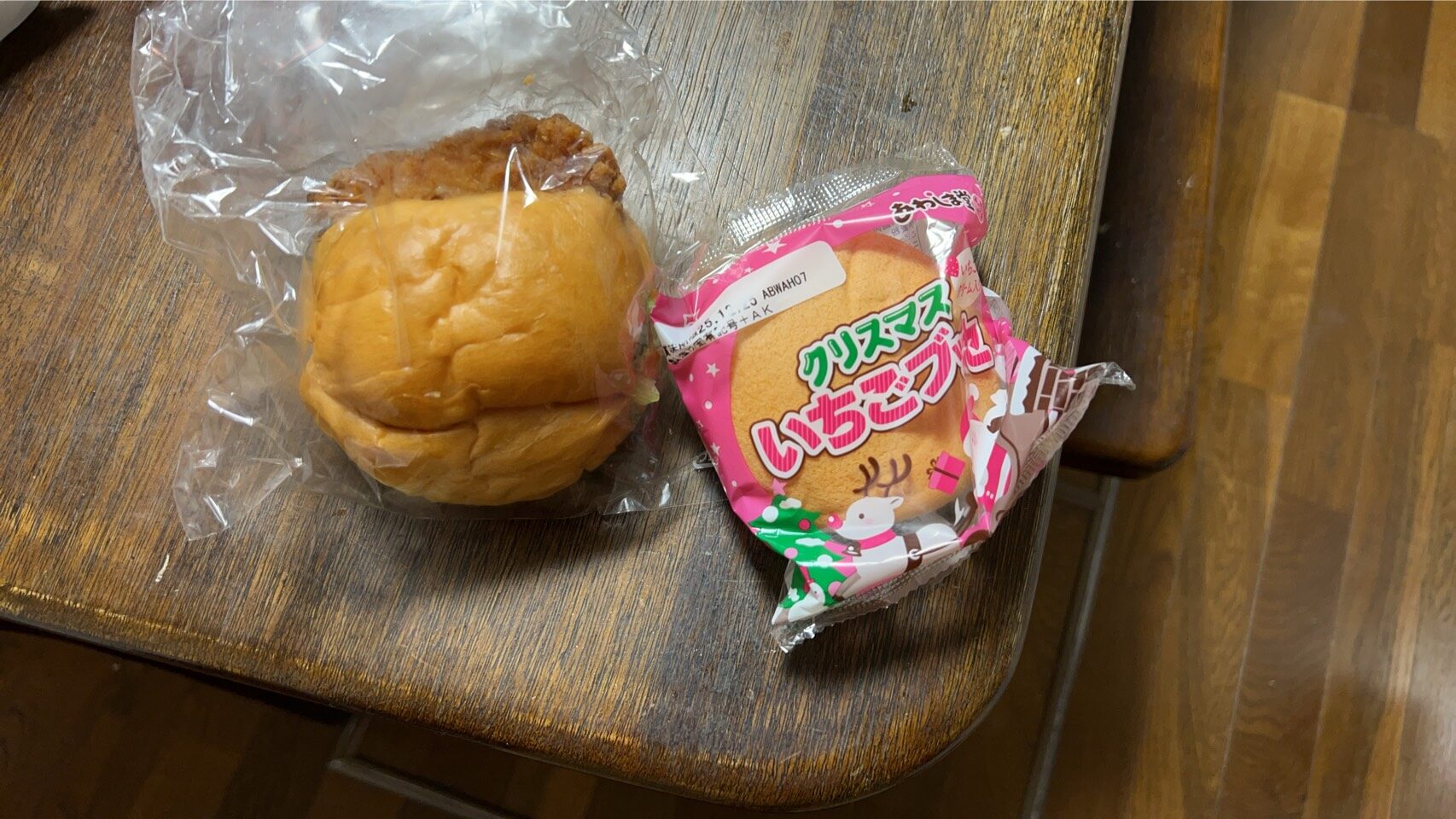
日本という国は多様性の包摂国家だと、ある人は言っていた。「ダイバーシティ」という言葉と共に多様性が流行している昨今だが、思えば、神道、仏教、キリスト教などいろんな行事を器用にこなす我々日本人はたしかに多様性を包摂していると言えばしているか。まあ文化の排他性はどの文化にもあり、日本文化の中、地域社会の中には色濃く残っていると言われても違和感はない。というか、そもそも人間そのものが自分と違う分子に恐怖感を感じる以上、本能的に生きていれば排他的になってしまうのであって、それは自分がどれほど自分と違う個人に節度ある行動を示せるかという個人的な問題な気もするんだ。そして、私は、クリスマスをなにか心の中で、探している。チキンとかケーキとかツリーとか。それは包摂でもなんでもなくて、ただのノスタルジーなんだ。
遊び稽古
1体操
2熊歩き・蜘蛛歩き
3膝行
4杖になれる
5逆半身片手取り一教裏(杖の手引き)
本稽古
1合気体操
2足捌き
3受け身
4逆半身片手取り転換法
5逆半身片手取り転換から呼吸投げ(小さい足捌き)
6逆半身片手取り横崩し呼吸投げ
7逆半身片手取り横崩し呼吸投げ(転換)
8逆半身片手取りループ
9逆半身片手取り隅落とし
10逆半身片手取り一教裏(転換)
11逆半身片手取り四方投げ表・裏
12大掃除
今日で水曜日の稽古は終わりだ。思えば江田島市スポーツセンターと江田島武道館で稽古をさせていただいていて、違う場所でやる意味はどこまであるのかわからない。水曜日に近い人と土曜日に近い人で知らず知らずに週2回稽古に参加しにくい構造を作ってしまったのかもしれない。開始時間を調整したり色々と工夫を凝らしたがあまり何も改善された気はしない。結果的に稽古に参加される方は減った、、、ように見えて、年数を経て週2回稽古に来てくださる方は増えた。合気道は難しい、週一回の稽古ではなかなか身につかない。上達したかったら家での復習や自主練習が基本になってきてしまうのは他の稽古事と一緒ではある。問題は上達しなかったら面白くない。それでやめてしまう人もいただろう。しかし、稽古回数を増やして解決しようとしてくれた人がいることはとても嬉しい。稽古に来ることは楽なことではない。みんな仕事や子育て、介護など役割を持っている人ばかりだ。趣味に費やす時間が潤沢な人なんて多分1人もいない。その中で時間を割いてきてくださっている。本当にありがたい。しかし自信を持って、言いたい。合気道は良いものだ、時間を割いて損をさせない。そう言える合気道を来年も伝えていきたい。
Someone once said that Japan is a nation that embraces diversity. These days, diversity is often discussed alongside the word “diversity” itself, but when I think about it, we Japanese do indeed seem to incorporate many different traditions with ease—Shinto, Buddhism, Christianity, and their various rituals. In that sense, it may be true that we are inclusive of diversity. That said, every culture has its own exclusivity, and it would not feel strange to say that such exclusivity still remains strongly within Japanese culture and within local communities. More fundamentally, since human beings instinctively feel fear toward those who are different from themselves, living purely by instinct naturally leads to exclusion. In the end, it feels like a personal issue: how much composure and restraint one can show toward individuals who are different from oneself. And as for me, I find myself searching, somewhere in my heart, for Christmas—chicken, cake, a tree. That is not inclusion or anything noble like that; it is simply nostalgia.
Play practice
- Warm-up exercises
- Bear walk / spider walk
- Knee walking
- Becoming familiar with the jo
- Gyaku-hanmi katate-dori ikkyo ura (with jo hand guidance)
Regular practice
- Aiki exercises
- Footwork
- Ukemi
- Gyaku-hanmi katate-dori tenkan method
- Gyaku-hanmi katate-dori kokyu-nage from tenkan (small footwork)
- Gyaku-hanmi katate-dori yokoguzushi kokyu-nage
- Gyaku-hanmi katate-dori yokoguzushi kokyu-nage (with tenkan)
- Gyaku-hanmi katate-dori loop
- Gyaku-hanmi katate-dori sumi-otoshi
- Gyaku-hanmi katate-dori ikkyo ura (with tenkan)
- Gyaku-hanmi katate-dori shihonage omote and ura
- Major cleaning
With today’s session, Wednesday practice has come to an end for the year. Thinking back, we have been practicing at both the Etajima City Sports Center and the Etajima Budokan, and I am no longer sure how much meaning there is in practicing at two different locations. It may be that, without realizing it, we created a structure in which people who are closer on Wednesdays and those who are closer on Saturdays find it difficult to attend practice twice a week. I tried adjusting start times and making various improvements, but it does not feel like much truly changed. As a result, it looks as though the number of people attending practice has decreased—yet, over the years, the number of people who come twice a week has actually increased.
Aikido is difficult; practicing only once a week makes it hard to truly internalize. If one wants to improve, reviewing at home and independent practice inevitably become essential, just like with any other discipline. The problem is that if you do not improve, it stops being enjoyable, and some people may have quit because of that. Still, the fact that there are people who chose to solve this by increasing their practice frequency makes me very happy. Coming to practice is not easy. Everyone has responsibilities—work, child-rearing, caregiving. There is probably not a single person who has abundant free time to devote to hobbies. And yet, they still make the time to come. I am deeply grateful for that.
And I want to say this with confidence: Aikido is a good thing. It will not make you regret the time you spend on it. I want to continue conveying that kind of Aikido again next year.


コメント