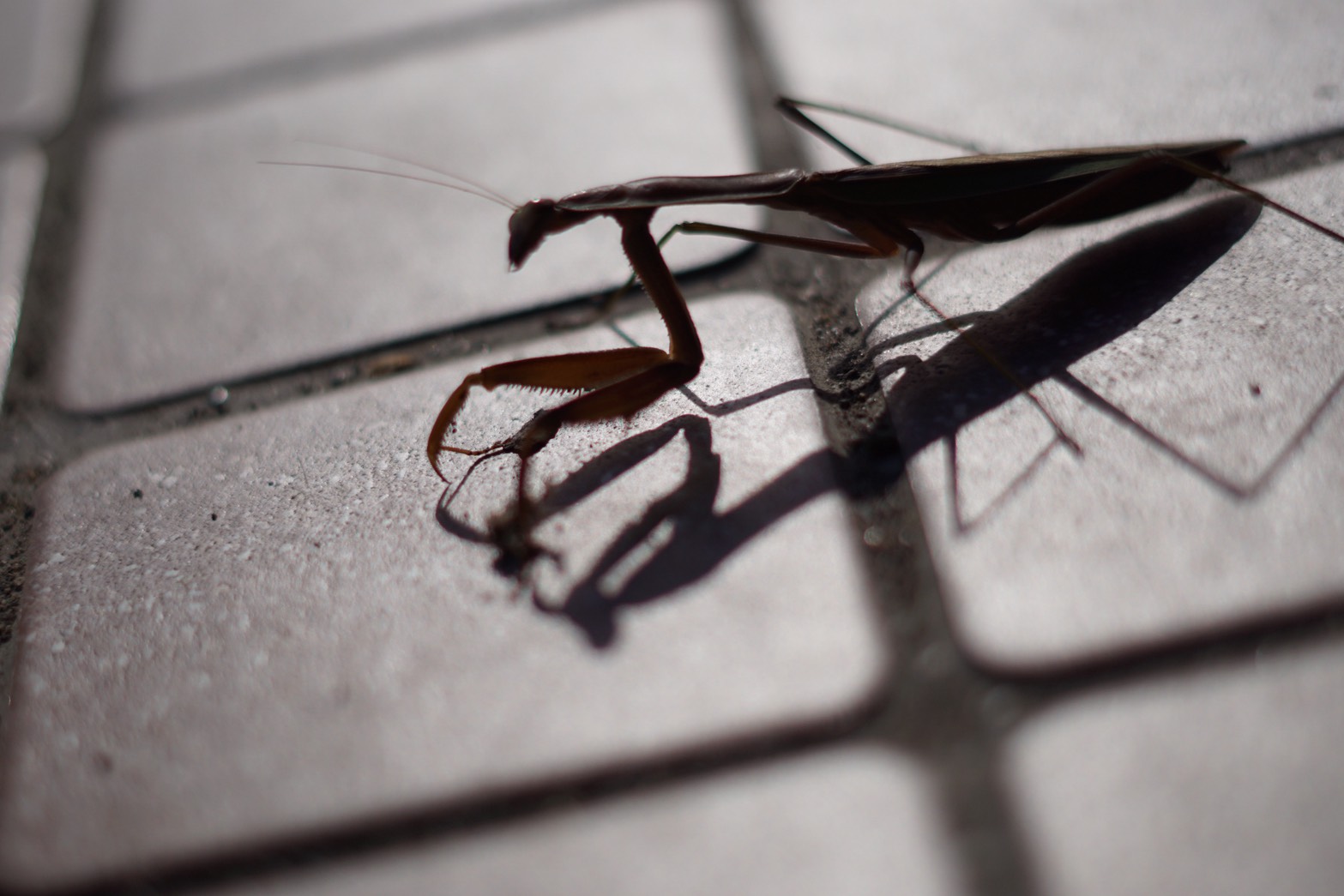
人は弱い。孤独だからなのか、集団心理なのか、またその両方なのか、ほとんどの時、人は弱さを露呈する。成長する時は人は独りだ。独りであると認めた時、ときに改心があり、そこに成長がある。それは若さには関わらず、おいても人は成長できる。孤独を受け入れ独りであることを認め、自分で進むことを決心しなければ、他人の力を借りれない。それは不思議なものだ。共生と孤独は反語ではない。
遊び稽古
1体操
2杖になれる
3 25の杖
4 逆半身片手取り内回転投げ(杖の手引き)
本稽古
1合気体操
2足捌き
3受け身
4気合わせ正面打ち入身投げストレッチ
5気合わせ正面打ち天地投げ 気合わせ正面打ち二教裏
6逆半身片手取り横崩し呼吸投げ 逆半身片手取り三教裏
7演武練習
人間関係の考え方を、合気道はよく教えてくれる。間合い、調子、呼吸、目付け、礼、残心 全て人間関係でも大切だ。そして、合気道の上達のためにも、人間関係の改善のためにも、自分がまずは孤独を受け入れる必要がある気がする。
People are weak. Whether because of loneliness, group psychology, or a combination of both, most of the time people reveal their weakness. When a person grows, they do so alone. When one accepts being alone, moments of reflection can occur, and within those moments lies growth. This has nothing to do with youth; people can grow at any age. Unless one accepts loneliness, acknowledges being alone, and decides to move forward on their own, they cannot truly rely on the help of others. It is a strange thing. Coexistence and loneliness are not opposites.
Play Practice
- Taisō
- Becoming familiar with the jō
- 25 jo
- Gyaku-hanmi katate-dori uchi-kaiten-nage (with jō hand guidance)
Formal Practice
- Aiki taisō
- Footwork
- Ukemi
- Ki-awase shōmen-uchi irimi-nage stretching
- Ki-awase shōmen-uchi tenchi-nage / ki-awase shōmen-uchi nikyō (ura)
- Gyaku-hanmi katate-dori yokoguzushi kokyū-nage / gyaku-hanmi katate-dori sankyō (ura)
- Embu practice
Aikido teaches us a great deal about how to think about human relationships. Ma-ai, rhythm, breathing, gaze, rei, and zanshin—all of these are essential not only in Aikido but also in human relationships. And I feel that, both for improving one’s Aikido and for improving relationships with others, it is necessary first to accept one’s own loneliness.


コメント