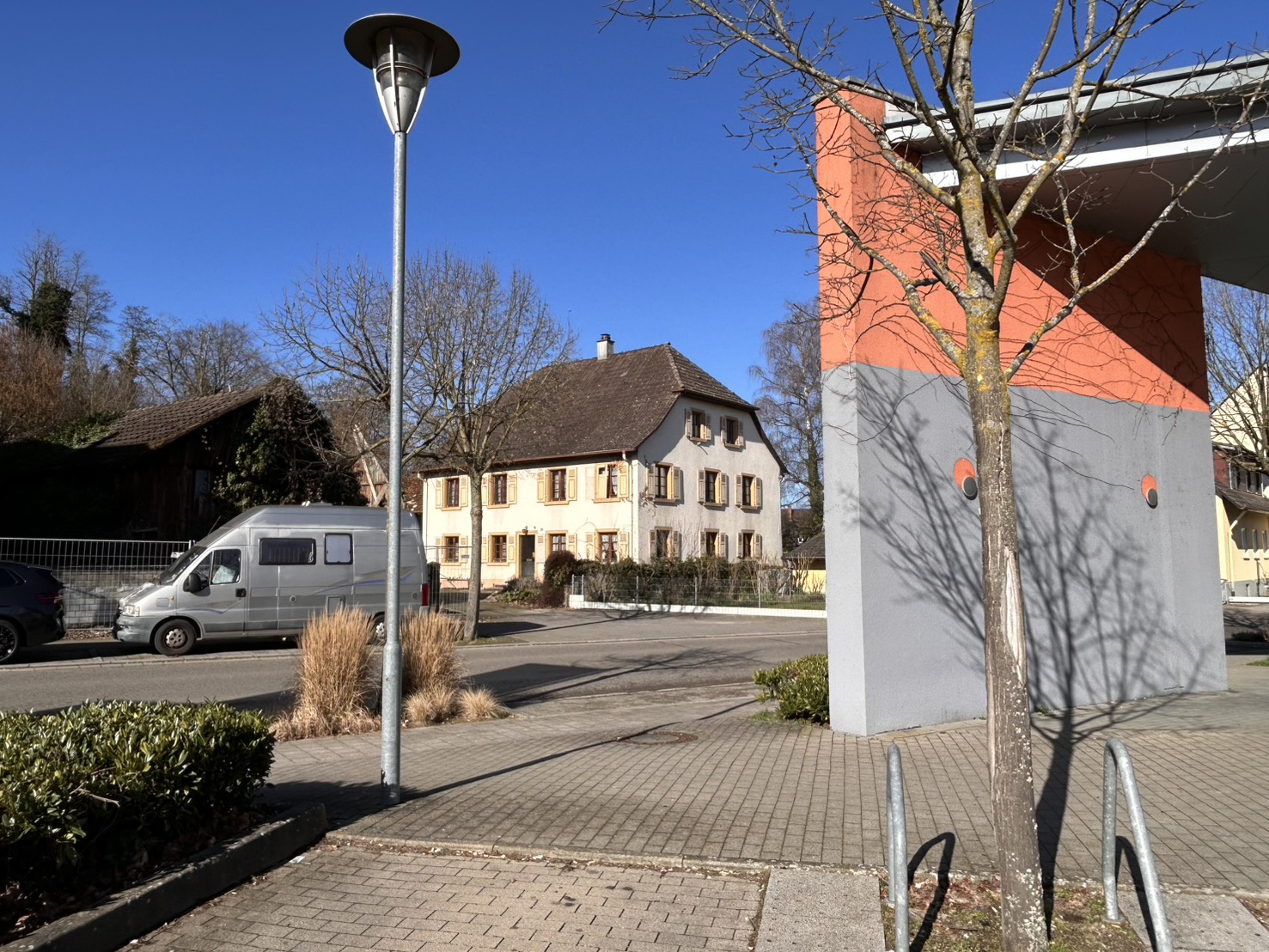
今日のフライブルクは晴天。春のとても気持ちの良い気候の日で、何物にも変えられない贈り物をいただいた気持ちがした。江田島に移住して思うのは気候が良い日は宝物だということだ。特にこのフライブルクの綺麗な街並みをこの気持ちいい気候のもと散歩できたことは、私にとって宝物そのものだったと思う。歴史家であるウエルナー先生にこの地方の歴史と産業、地政学的な根拠を説明してもらいその結果いまのこの街の目指す姿とその意味も知ることができた。QOLという言葉をよく使うが、幸せとはを考えその幸せが五十年という長いスパンでも実現を目指して種まきをする、計画性をもった都市計画とその先進性について考える機会をもらった。私にはなにもできないかもしれないが、自分の街を考える時にとても参考にできる見本をもらった気がした。
第一部
1杖相半身片手取り一教ストレッチ
2二人掛け転換導きの動き
3二人掛け一教運動での崩し
4二人掛け引き落とし・前落とし
5二人掛け入り身投げ・切り落とし
6太刀取り振り合い表の捌き
7太刀取り切り上げ裏の捌き
8太刀取り手車
第二部
1合気体操
2足捌き
3肩取り面打ち内回転投げストレッチ
4肩取り面打ち十時絡み四方投げ
5肩取り面打ち四方投げ
6肩取り横崩し呼吸投げ
7肩取り面打ち一教表(剣の手引き)
8肩取り面打ち切り落とし
ウェルナー先生と合気道についてたくさんお話しを聞くことができた。歴史家らしい分析と合気道をご自身も体現されてきたウェルナー先生らしい視点で、今の形ができてきた系譜と意味を教えてもらった。とても興味深い。全て合気道だ。そのあやふやな概念をいかに理解するかそれまで後進を育てた師範たちのいろいろな技を理解することにヒントがあると思う。全く上手くできない挫折も味わいつつ、一歩一歩前進するしかないことは変わらない。
Today in Freiburg the sky was clear. It was one of those perfectly mild spring days that feel like an irreplaceable gift. Since moving to Etajima, I have come to believe that a day of good weather is itself a treasure. Being able to walk through the beautiful streets of Freiburg under such comfortable skies felt like a treasure in its purest form.
Professor Werner, a historian, explained to me the history, industry, and geopolitical foundations of this region. Through his explanation, I came to understand what this city is aiming for today and the meaning behind that vision. We often use the term “QOL,” but this was an opportunity to think more deeply about what happiness actually means—and about urban planning that sows seeds with a fifty-year horizon in mind, intentionally and strategically shaping a city toward that vision of well-being. I may not be able to accomplish anything on that scale myself, but I felt I had been given a valuable model to reflect on when thinking about my own town.
First Session
- Jo – Aihanmi Katate-dori Ikkyo Stretch
- Two-person attack – Tenkan guiding movement
- Two-person attack – Off-balancing through Ikkyo movement
- Two-person attack – Pull-down / Forward drop
- Two-person attack – Irimi-nage / Kiri-otoshi
- Tachi-dori – Omote response to mutual sword exchange
- Tachi-dori – Ura response to upward cut
- Tachi-dori – Teguruma
Second Session
- Aiki warm-up exercises
- Footwork
- Kata-dori Men-uchi – Inner rotation throw stretch
- Kata-dori Men-uchi – Juji-garami Shiho-nage
- Kata-dori Men-uchi – Shiho-nage
- Kata-dori – Yokokuzushi Kokyu-nage
- Kata-dori Men-uchi – Ikkyo Omote (guided by sword movement)
- Kata-dori Men-uchi – Kiri-otoshi
I was able to speak at length with Professor Werner about Aikido. With the analytical perspective of a historian and the insight of someone who has embodied Aikido himself, he explained the lineage through which the current forms developed and the meaning behind them. It was deeply fascinating.
All of it is Aikido. The concept itself can seem ambiguous, but I believe the key to understanding it lies in studying the many techniques transmitted by the shihan who have cultivated generations of students. Even while experiencing the frustration of not being able to perform techniques well, there is no alternative but to continue advancing step by step.

コメント